
Here I’ll share all my favorite tips, my favorite cookware and things that make my life easier in the kitchen.
Elevate your Tomato Sauce
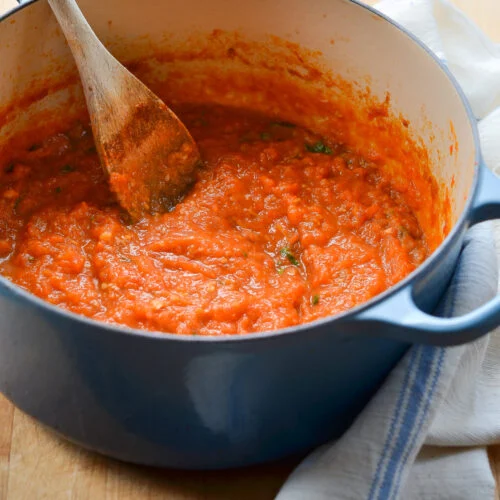
How to Make the Perfect Tomato Sauce for Spaghetti
Tomato sauce is the foundation of so many classic Italian dishes, from spaghetti and meatballs to lasagna, baked ziti, and chicken parmesan. Almost every American family has enjoyed spaghetti night at some point, but let’s talk about how to take that simple comfort food and elevate it to the next level. A truly great homemade tomato sauce doesn’t need to be complicated. With a few key ingredients and the right cooking technique, you can create a rich, flavorful sauce that tastes like it came straight from an Italian kitchen.
Building Flavor with Aromatics
Every great Italian tomato sauce begins with aromatics. I like to start by sautéing onions and garlic in olive oil until they become soft and translucent. This step builds the flavor base and gives your sauce that irresistible aroma. Once the aromatics are ready, it’s time to add crushed tomatoes, either from a can or fresh tomatoes that have been roasted in the oven. If you’re using fresh ones, roast them until the skins start to blister, then peel them and toss the rest into the pot. This process brings out the natural sweetness of the tomatoes while deepening their flavor.
Seasoning and Enhancing Your Sauce
After adding the tomatoes, it’s time to build layers of flavor. I usually season my sauce with Italian seasoning, salt, and black pepper, sometimes a pinch of red pepper flakes for a subtle kick. You can also add fresh basil or oregano if you want a more authentic flavor. But here’s my secret for creating a smooth, balanced sauce that won’t cause acid reflux or heartburn: add a whole peeled carrot.
The Secret Ingredient: Carrot
This one trick will completely transform your spaghetti sauce recipe. Drop a peeled carrot into your sauce while it simmers. The carrot naturally absorbs some of the tomato’s acidity and releases a gentle sweetness, balancing out the overall flavor. It’s a small step that makes a huge difference — especially if you’re sensitive to acidic foods. I’ve been doing this for years, and it not only improves the taste but also helps reduce the harshness that often comes from canned tomatoes. Just remember to remove the carrot before serving your pasta.
Bringing It All Together
Once your homemade tomato sauce has simmered for 30–45 minutes, it’s ready to coat your pasta, meatballs, or any Italian dish you love. The flavor will be rich, mellow, and slightly sweet just like a traditional Italian spaghetti sauce should be. Making sauce from scratch is one of those simple pleasures that brings comfort to every meal. Give this recipe a try, and I promise it’ll become your new go-to way to make spaghetti night unforgettable.
Benefits of Cast Iron Skillet
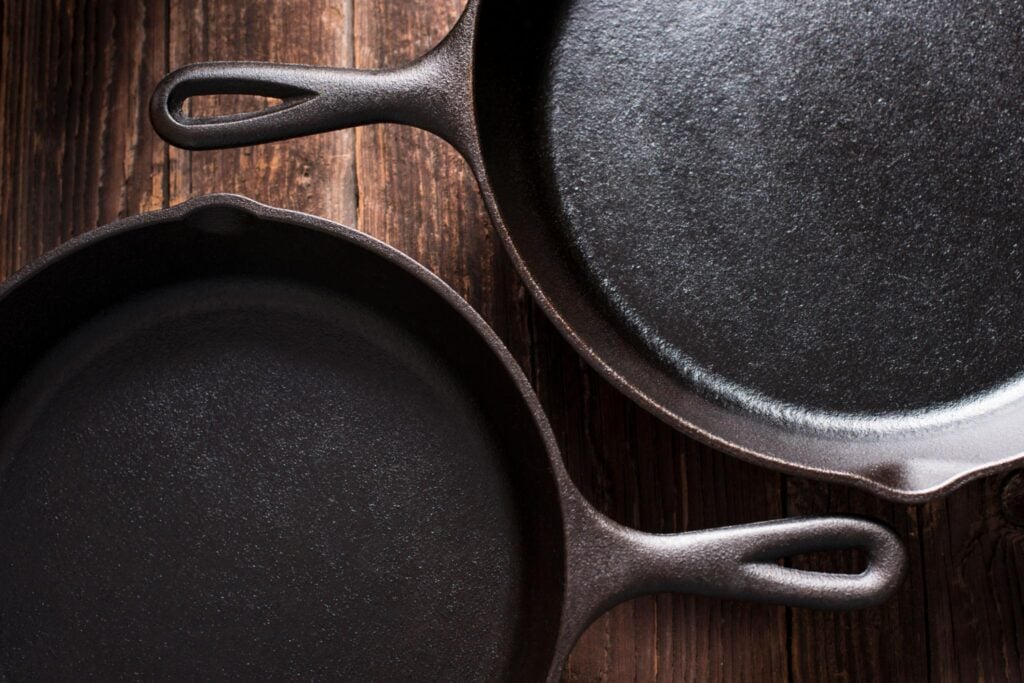
Why I Love Cooking with a Cast Iron Skillet
One of my absolute favorite pieces of cookware in the kitchen is my cast iron skillet. It basically lives on my stovetop because it’s so incredibly versatile. From perfectly seared steaks and crispy bacon to golden fried eggs and even homemade pies, the cast iron skillet can do it all. It’s the kind of pan that only gets better with time — the more you use it, the better it performs. That versatility is exactly why it’s one of my go-to tools and a permanent part of my everyday cooking routine.
The Benefits of Cooking with Cast Iron
A well-seasoned cast iron pan offers a ton of benefits. It’s naturally non-stick, meaning you can cook with less oil and still achieve perfect results every time. It also provides even heat distribution, which is essential for cooking proteins, browning vegetables, and baking evenly. What I love most is that it can easily go from stovetop to oven, making it perfect for dishes that require both searing and baking — like skillet cornbread or cast-iron apple pie. This ability to handle high heat and retain temperature makes it one of the most reliable and durable pieces of cookware you can own.
A Healthier, More Natural Option
Another reason I swear by cast iron cookware is because it’s a non-toxic, chemical-free alternative to many modern nonstick pans. When properly seasoned, it creates its own natural nonstick surface — no coatings or synthetic materials needed. Cooking with cast iron can even add small amounts of iron to your food, which is beneficial for those who need to boost their iron intake. It’s a healthier, long-lasting choice that supports better cooking and better nutrition.
Caring for Cast Iron the Right Way
To keep your cast iron skillet in top shape, proper seasoning and maintenance are key. I like to lightly oil mine after every use to maintain its nonstick surface and prevent rusting. With minimal care, a cast iron pan can literally last for generations, making it one of the smartest kitchen investments you can make. Whether you’re frying, baking, or searing, this timeless piece of cast iron cookware continues to prove why it deserves a permanent spot in every kitchen.
Tips for Beginners
If you’re new to using cast iron cookware, don’t worry — it’s easier than you think. Most cast iron skillets today come pre-seasoned and ready to use, but I still like to season mine again before the first cook to make sure it’s perfectly prepared. Seasoning your cast iron skillet helps create that naturally nonstick surface that cast iron is famous for. To season, simply add a thin layer of your preferred cooking oil (I like avocado or vegetable oil) to the skillet, making sure to coat every surface — inside, outside, and even the handle. Then heat it up on the stovetop or in the oven until the oil begins to bond with the metal. This process locks in the seasoning layer that will protect your pan and improve its performance over time.
How to Properly Clean a Cast Iron Skillet
Cleaning your cast iron pan is simple and quick once you know the steps. After cooking, remove any leftover bits of food while the pan is still warm. For stuck-on food, use a scraper, spatula, or a handful of coarse salt — the salt acts as a natural abrasive that won’t damage the seasoning. Gently scrub the surface, then rinse with warm water (no soap needed). Next, place the skillet back on the stove and turn on low heat to evaporate any remaining water. Once it’s completely dry, apply a thin layer of oil to the entire surface. This step is crucial — it prevents rust and keeps your skillet smooth and nonstick for the next use.
Maintaining and Re-Seasoning Your Cast Iron
To keep your cast iron skillet performing at its best, it’s recommended to re-season it several times a year — or more often if you use it daily. Over time, this builds up layers of polymerized oil that strengthen the nonstick coating and add flavor to your dishes. Avoid soaking your skillet in water or putting it in the dishwasher, as that can strip away the seasoning. With just a few minutes of care after each use, your cast iron cookware can last a lifetime — getting better and more reliable with every meal.
Why It’s Worth the Effort
Caring for cast iron kitchenware might take a little extra effort, but the payoff is huge. You’ll have a pan that cooks evenly, releases food effortlessly, and adds incredible flavor to everything from breakfast eggs to seared steaks. Plus, the more you use and care for it, the more it becomes uniquely yours — a true kitchen essential that can be passed down for generations.
Stop Washing Your Chicken
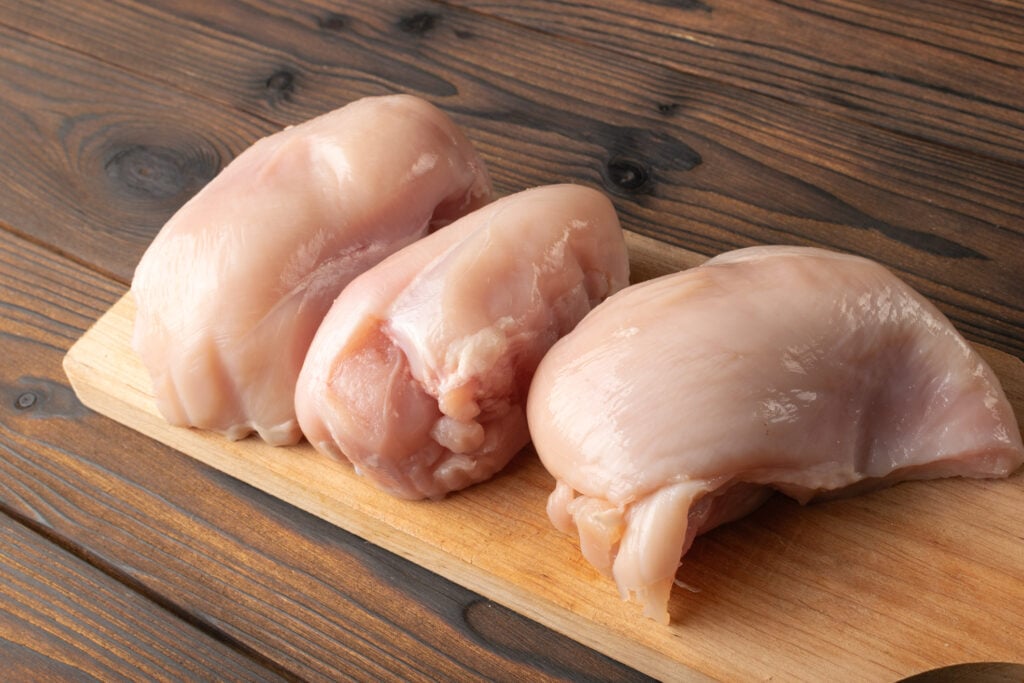
When I first heard that some people wash their chicken before cooking it, I was honestly surprised. I didn’t realize this was such a common practice. Many believe that rinsing raw chicken helps remove bacteria or debris left from processing, and for years, this idea has been passed down through families from moms and grandmothers to younger generations. It likely comes from a time when food safety standards weren’t as advanced, and washing meat seemed like the logical thing to do.
However, modern research tells a different story. According to the CDC and FDA, washing chicken before cooking can actually increase the risk of cross-contamination in your kitchen. When water splashes off raw poultry, it can spread harmful bacteria like Salmonella and Campylobacter onto your sink, countertops, and surrounding surfaces. Even after wiping and cleaning, traces of bacteria can remain especially in hard-to-reach areas.
Food safety experts now agree that it’s far safer to skip the washing step altogether. Proper cooking is what truly eliminates bacteria, not rinsing. The best practice is to handle raw chicken carefully, cook it to an internal temperature of 165°F (74°C), and sanitize all utensils and cutting boards afterward. Following these safe food handling guidelines keeps your kitchen cleaner and greatly reduces the chance of foodborne illness.
In short, while washing chicken might feel like a long-standing tradition, today’s science shows that it does more harm than good. Trust the cooking process not the faucet to make your chicken safe to eat.